Table of Contents
Alex struggles to focus in class. He constantly fidgets in his seat. This highlights a common experience for those with Attention-Deficit/Hyperactivity Disorder, or ADHD. Understanding this condition is important. It affects both individuals and their families.
ADHD has core symptoms and different types. These symptoms can be effectively addressed.
What Are the Core Symptoms of ADHD?
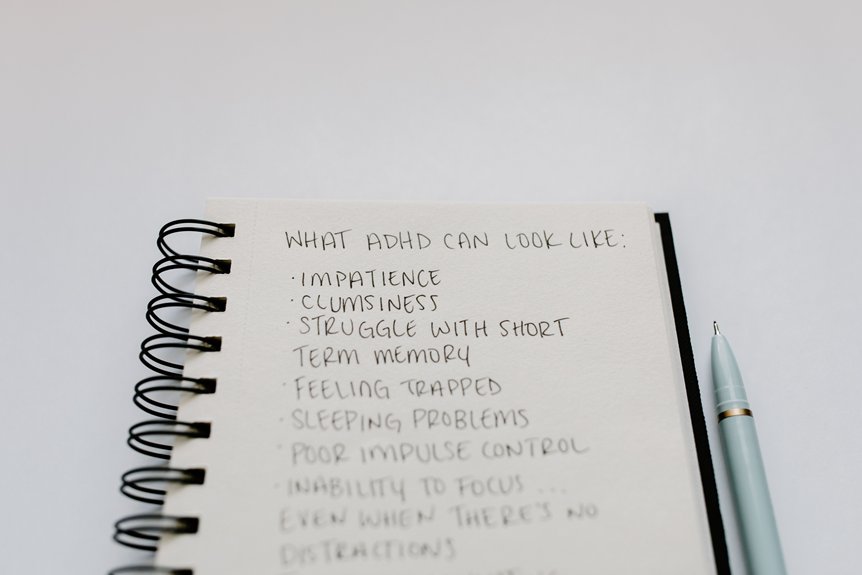
Understanding ADHD’s core symptoms can significantly impact how you handle daily challenges. The primary symptoms are inattention, hyperactivity, and impulsivity. You may struggle to focus on tasks or follow through on commitments, leading to frustration.
Hyperactivity can show up as fidgeting or difficulty sitting still. This makes it hard to relax in quiet settings.
Impulsivity might lead to hasty decisions or interruptions, affecting your relationships. Recognizing these symptoms in yourself or others helps in developing effective management strategies.
What Are the Types of ADHD and Their Characteristics?
Recognizing the core symptoms of ADHD is just the beginning. Understanding the different types can provide deeper insight into how the disorder manifests. There are three types: Predominantly Inattentive Presentation, Mainly Hyperactive-Impulsive Presentation, and Combined Presentation.
If you find it hard to focus or follow through on tasks, you might relate to the Inattentive type. If you’re often restless, interrupt others, or struggle to sit still, you may identify more with the Hyperactive-Impulsive type.
The Combined type includes symptoms from both categories. Each type affects daily life differently. Recognizing your specific challenges can help you seek appropriate strategies and support.
What Are the Diagnostic Criteria and Treatment Options for ADHD?
To diagnose ADHD, clinicians look for symptoms such as inattention, hyperactivity, and impulsivity. These symptoms must persist for at least six months and impact daily functioning.
Treatment typically involves a combination of behavioral therapy and medication, tailored to individual needs.
Stimulants, like methylphenidate, are commonly prescribed. Non-stimulant options are also available.
Alongside medication, cognitive-behavioral therapy can help develop coping strategies and organizational skills. Engaging with support groups or educational resources can provide valuable insights and community.
The Impact of ADHD on Daily Life and Relationships
ADHD can shape how you manage daily life and interact with others. It leads to challenges that impact routines and relationships. Here are some common effects:
- Time Management Struggles: You might find it hard to meet deadlines or stick to schedules.
- Impulsivity in Conversations: You may interrupt others or struggle to wait your turn. This can strain relationships.
- Difficulty Focusing: You might struggle to maintain attention during discussions. This makes it tough to engage fully.
- Emotional Regulation: You could experience intense emotions. This can lead to misunderstandings or conflicts.
Where Can You Find Support for ADHD?
Start by reaching out to healthcare professionals, like psychologists or psychiatrists, who specialize in ADHD. They can offer strategies and coping mechanisms.
Support groups provide a safe space to share experiences and learn from others facing similar struggles. Online forums and communities, such as ADDitude or CHADD, can be invaluable for tips and encouragement.
Educational resources, including books and podcasts, can deepen your understanding. Involving family and friends can create a supportive environment. They can help you manage daily challenges.