Table of Contents
ADHD is a unique way your brain processes information and manages impulses. It affects many areas of life. You might wonder how it shows up in daily routines or relationships. Understanding ADHD helps you appreciate the support and strategies that make a difference.
What Is ADHD? A Simple Definition
ADHD, or Attention-Deficit/Hyperactivity Disorder, is a neurodevelopmental condition. It affects how you focus, control impulses, and manage energy levels.
Many people with ADHD struggle to maintain attention. This can impact daily activities and relationships. You might find it hard to concentrate on tasks or follow through on plans.
ADHD can also make it challenging to sit still or wait your turn in conversations. This condition often appears in childhood but can continue into adulthood.
Understanding ADHD helps you recognize that your brain works differently, not less effectively. By learning more about it, you can find strategies that work for you.
What Are the Common Symptoms of ADHD?
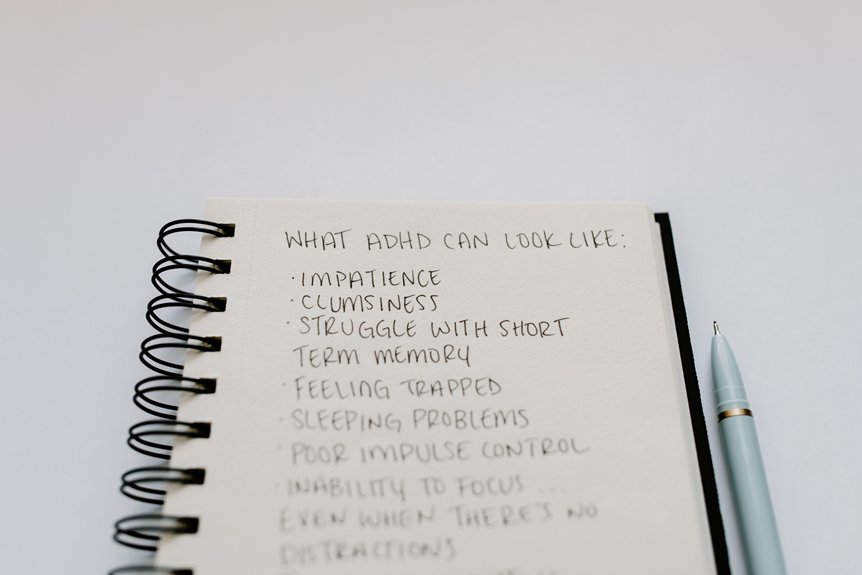
ADHD can significantly impact daily life. You might struggle to focus on tasks or frequently misplace items.
Impulsivity may show up as acting without thinking, interrupting others, or difficulty waiting your turn. Hyperactivity might make it hard to sit still, leading to fidgeting or constant movement.
These symptoms vary from person to person. They can affect how you manage responsibilities, relationships, and work.
Experiencing these challenges is common. Identifying and acknowledging these signs is key to seeking support and finding effective strategies.
Understanding your symptoms is the first step toward better management and a fulfilling life.
What Are the Different Types of ADHD?
Understanding the different types of ADHD can help you pinpoint your unique challenges and strengths. There are three main types: Mainly Inattentive Presentation, Mainly Hyperactive-Impulsive Presentation, and Combined Presentation.
If you’re often distracted and struggle to focus, you might identify with the Inattentive type. If you find it hard to sit still and often act without thinking, the Hyperactive-Impulsive type may resonate with you.
Many people experience a mix of both. This is called Combined Presentation.
Recognizing which type you relate to can guide you in finding effective strategies and support tailored to your needs. Embracing your ADHD type can empower you to harness your strengths and navigate challenges more effectively.
How Does ADHD Impact Daily Life and Relationships?
Individuals with ADHD face unique challenges that affect personal routines and relationships. Staying organized, managing time, and following through on tasks can be difficult. This often leads to frustration and stress. Such issues can create tension with family or friends who may not understand these struggles.
Impulsivity can cause misunderstandings or conflicts. Effective communication is important.
Emotional highs and lows can also impact relationships. Building routines, using reminders, and seeking support can help address these challenges. ADHD doesn’t define you; it’s just one part of your experience.
With the right strategies, you can improve your daily life and relationships.
What Are the Misconceptions About ADHD?
Many people think ADHD only affects children, but it can persist into adulthood.
Some believe ADHD is just a lack of willpower or discipline. It’s a neurological condition that affects focus and impulse control.
Another misconception is that those with ADHD are hyperactive. In reality, some may be more inattentive than active.
Some assume medication is the only treatment. Therapy and lifestyle changes can also be effective.
Understanding these misconceptions can help you approach ADHD with empathy and knowledge. Awareness is key to breaking down stigma and enhancing understanding.
What to Expect During an ADHD Diagnosis?
When you seek an ADHD diagnosis, the process begins with a thorough evaluation by a qualified professional. This evaluation helps determine if you meet the criteria for ADHD.
You’ll discuss your symptoms, concerns, and medical history during the initial consultation. You may fill out forms to assess attention, hyperactivity, and impulsivity.
The professional might observe your behavior in different settings, if applicable.
After the assessment, you’ll receive feedback. This includes possible next steps and recommendations.
What Are Effective Treatments for ADHD?
Treatments for ADHD typically include medication, behavioral therapy, and lifestyle modifications. Stimulant medications, like methylphenidate or amphetamine, can help increase focus and reduce impulsivity. Non-stimulant options are also available if stimulants aren’t suitable.
Behavioral therapy focuses on developing coping strategies and organizational skills. These can be beneficial. Incorporating regular exercise, a balanced diet, and sufficient sleep can enhance overall well-being.
Mindfulness practices, such as meditation, may help improve attention and reduce stress. Working closely with a healthcare professional is key to finding the right combination of treatments that works for you.
How to Support Someone With ADHD
Supporting someone with ADHD can be rewarding yet challenging. Here are some practical ways to help:
- Listen Actively: Show genuine interest in their feelings and experiences.
- Create Structure: Help establish routines. Use calendars or reminders to keep track of tasks.
- Be Patient: Understand they may need more time to process information or complete tasks.
- Encourage Strengths: Focus on their talents and interests. Provide positive reinforcement to build confidence.
Diet and Exercise for ADHD Management
Eating a balanced diet rich in fruits, vegetables, whole grains, and lean proteins helps stabilize energy and mood. Omega-3 fatty acids, found in fish and nuts, benefit brain health.
Regular exercise boosts dopamine levels. This can enhance focus and concentration. Aim for at least 30 minutes of physical activity most days. Activities like jogging, swimming, or team sports can be effective.
Finding a routine that works for you is key. Incorporating healthy habits into your daily life can make a noticeable difference in managing ADHD symptoms.
ADHD Learning Resources
Many resources are available to help you understand and manage ADHD effectively. Here are some options to consider:
- Books: Look for titles like “Driven to Distraction” by Edward Hallowell. These provide insights and strategies.
- Websites: Visit organizations like CHADD (Children and Adults with Attention-Deficit/Hyperactivity Disorder) for up-to-date information and support.
- Podcasts: Tune into ADHD-focused podcasts. They share personal stories and expert advice. This can help you feel less alone.
- Support Groups: Join local or online support groups. Connect with others facing similar challenges.
Utilizing these resources can empower you to better understand ADHD.